
Every child deserves a safe, loving family.
We believe that wholeheartedly at Casa Bernabé. Whenever possible, children should remain with their families, and when that isn't safe, we want them to have the opportunity to grow up in a safe family environment.
So why do homes like Casa Bernabé still need to exist?
It's a fair question. Around the world, child welfare advocates have drawn attention to the harm that can happen when children grow up in large institutions without consistent caregivers, individual attention, or meaningful connections to their families and communities. Some children's homes have caused tremendous harm, and those experiences should never be dismissed.
We agree that children need families. We also know that the best care for a child depends on that child's circumstances, and sometimes, the safest option available today isn't the one we wish were available.
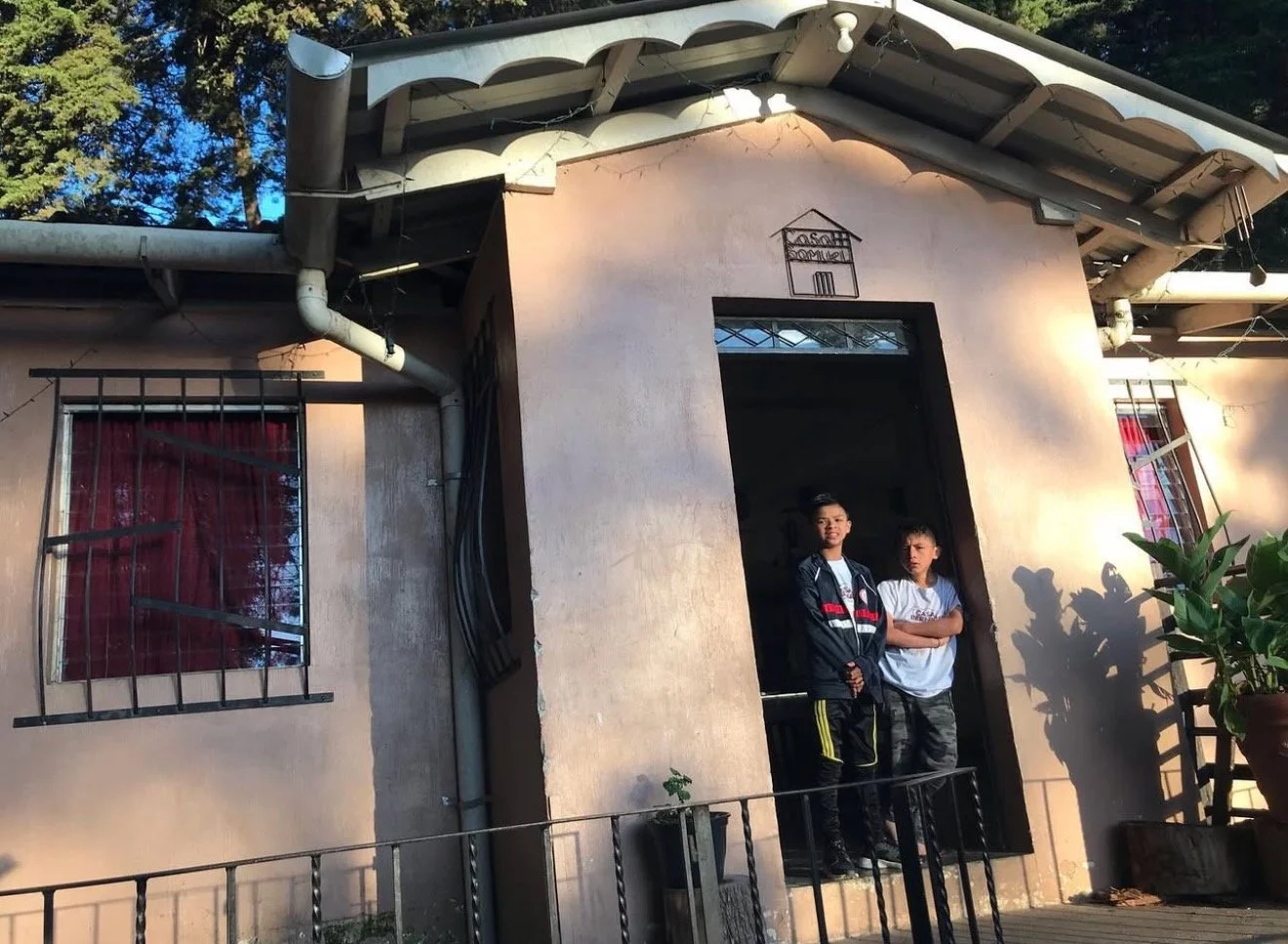
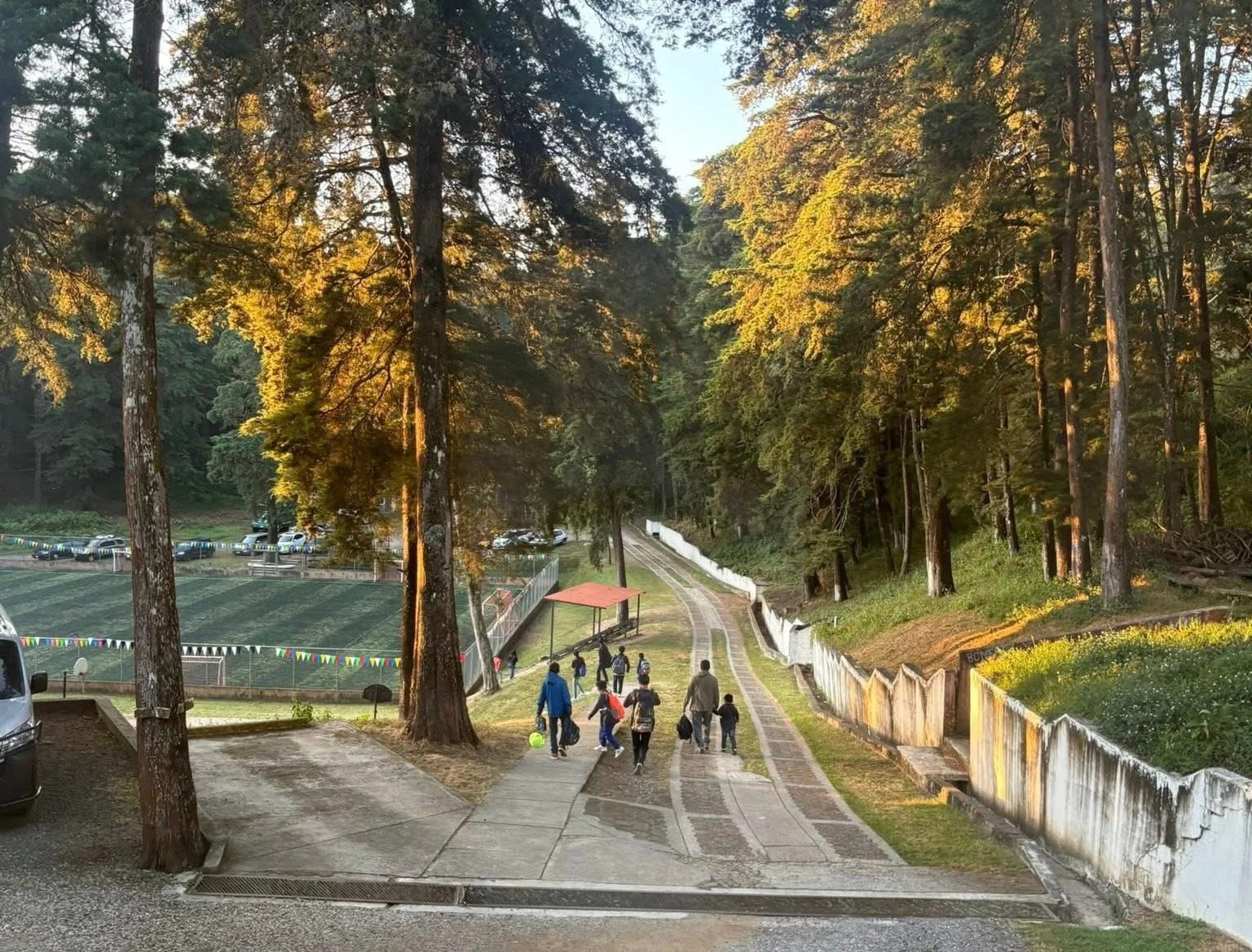
Most of the children living at Casa Bernabé are not orphans. They have parents or other biological family members, but those family members are unable to care for them safely. In many cases, a judge has removed a child from their home because of abuse or neglect.
By the time these children arrive, many have already experienced more than any child should have to endure. Some have never attended school. Others struggle to trust adults, follow routines, or understand what it means to be safe. Behaviors that might seem confusing or challenging to someone who doesn't know their story often make more sense when you understand what a child has lived through.
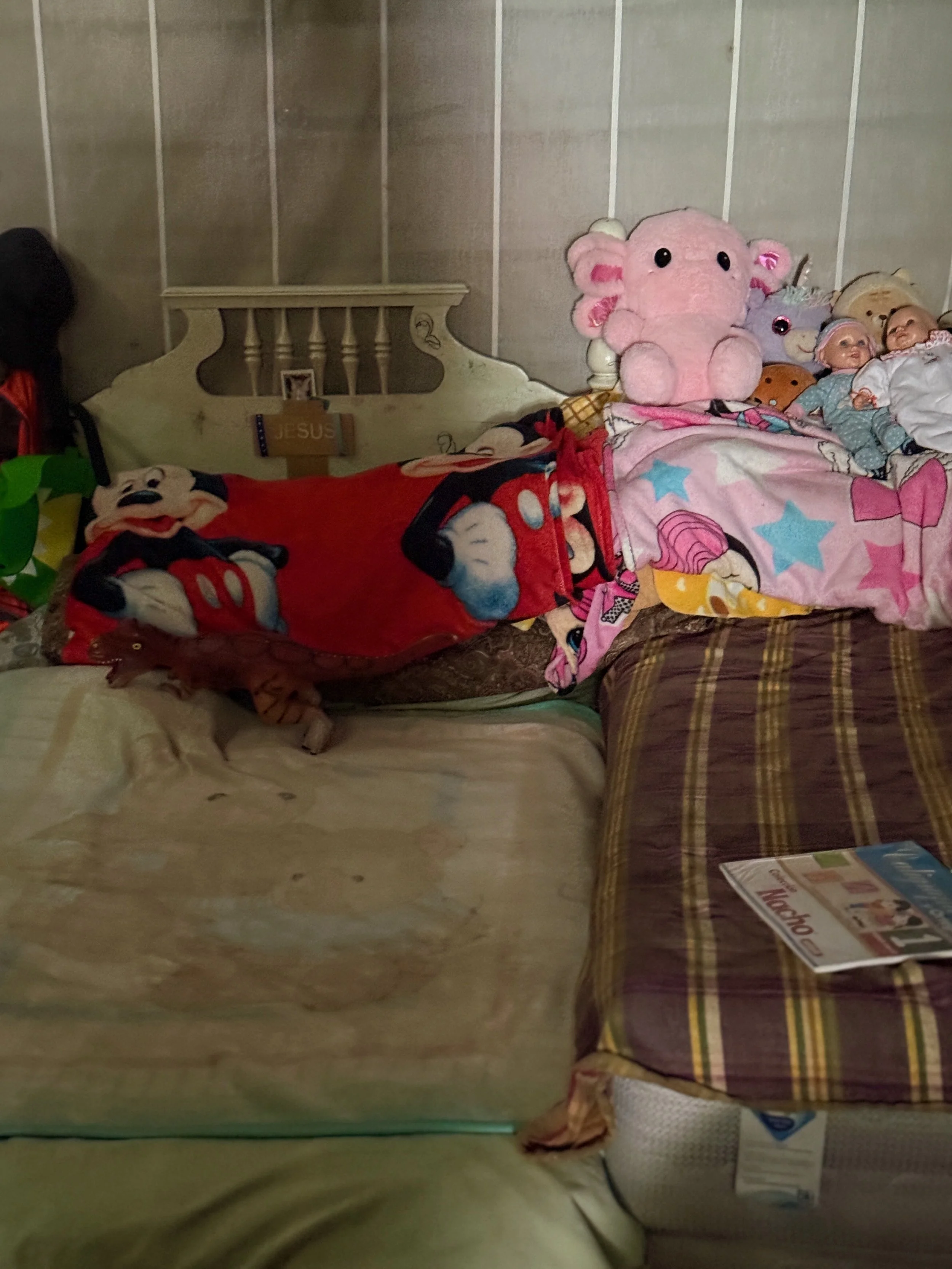
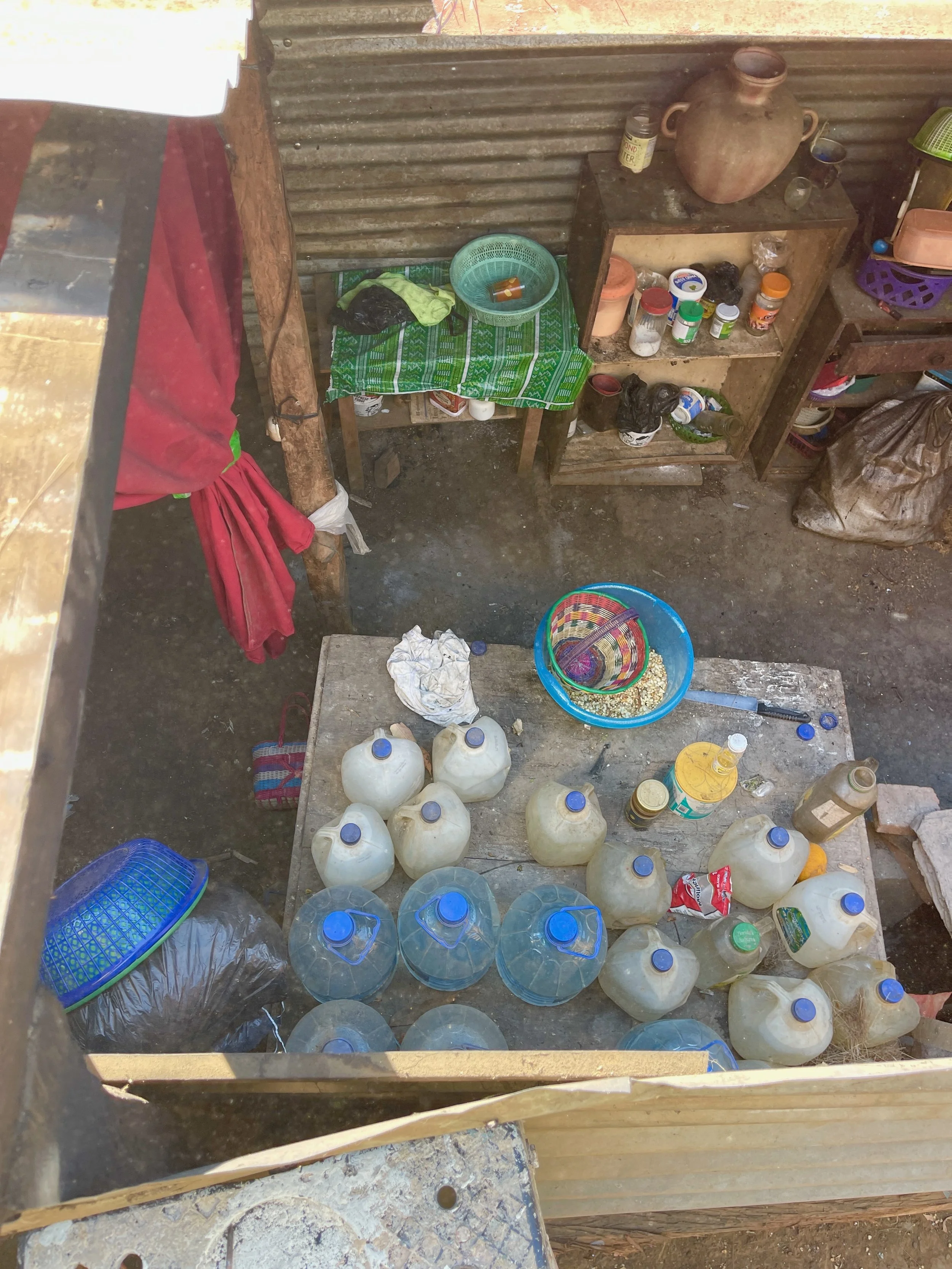
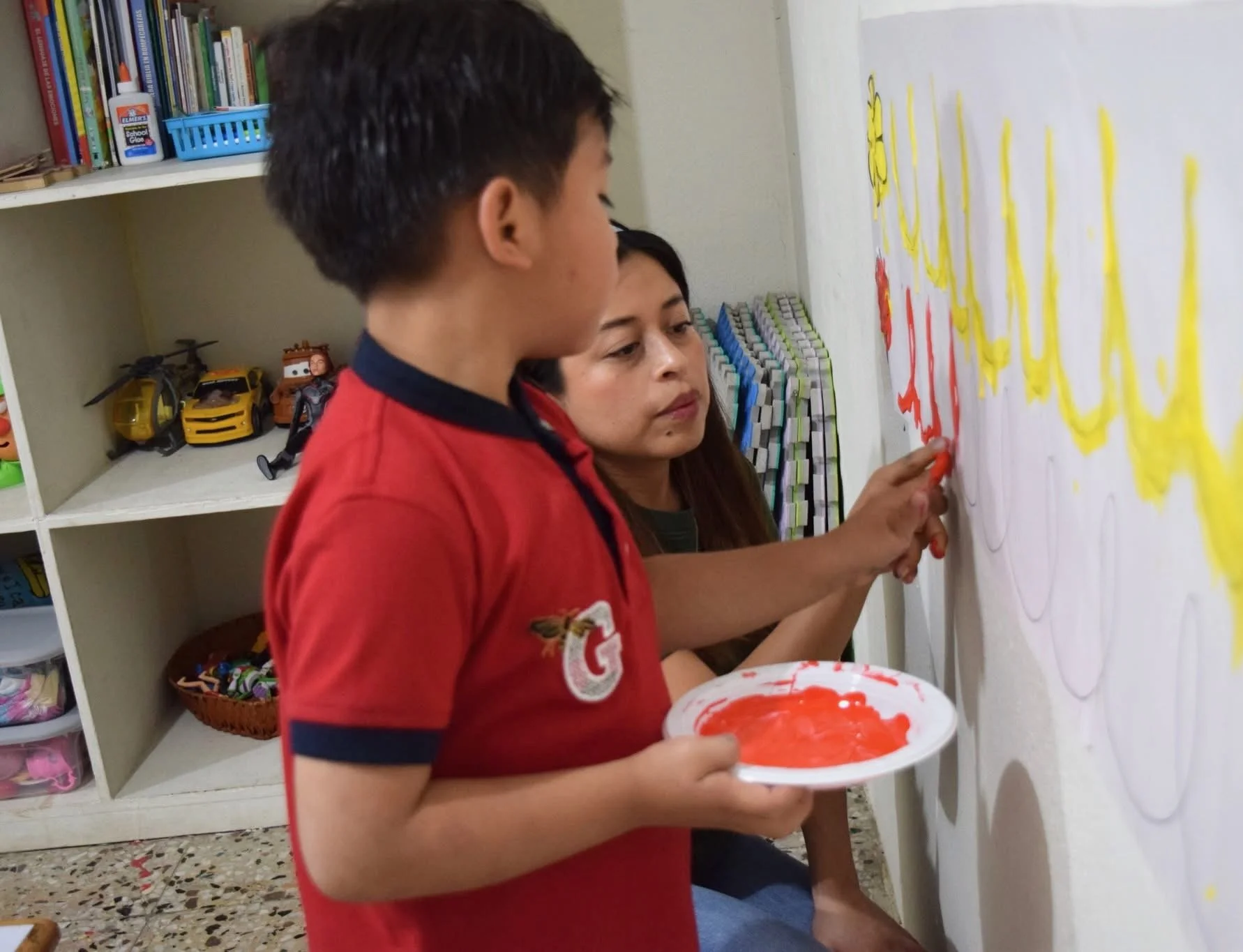
These children need more than a roof over their heads. They need patient caregivers who understand trauma, teachers who can help them catch up academically, psychologists who can help them process painful experiences, and a community willing to walk with them through the difficult work of healing.
And they need all of this without being made to feel that they are broken, difficult, or unlovable.
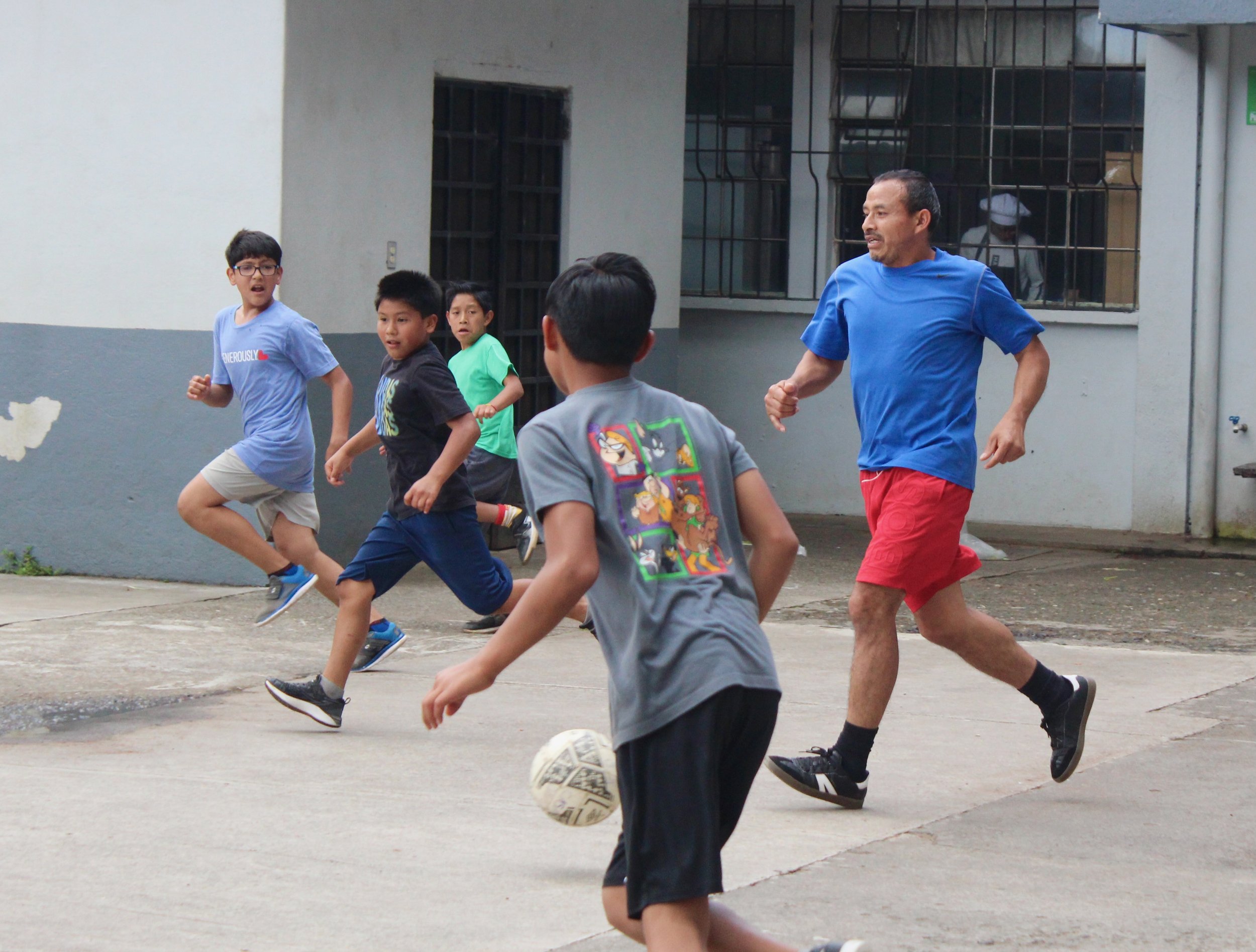
One little boy came to Casa Bernabé around the age of five after a difficult start in life. He was so afraid of men that he would run away, hit, or even try to bite any man who came near him. Trust was not something he could easily give to an adult.
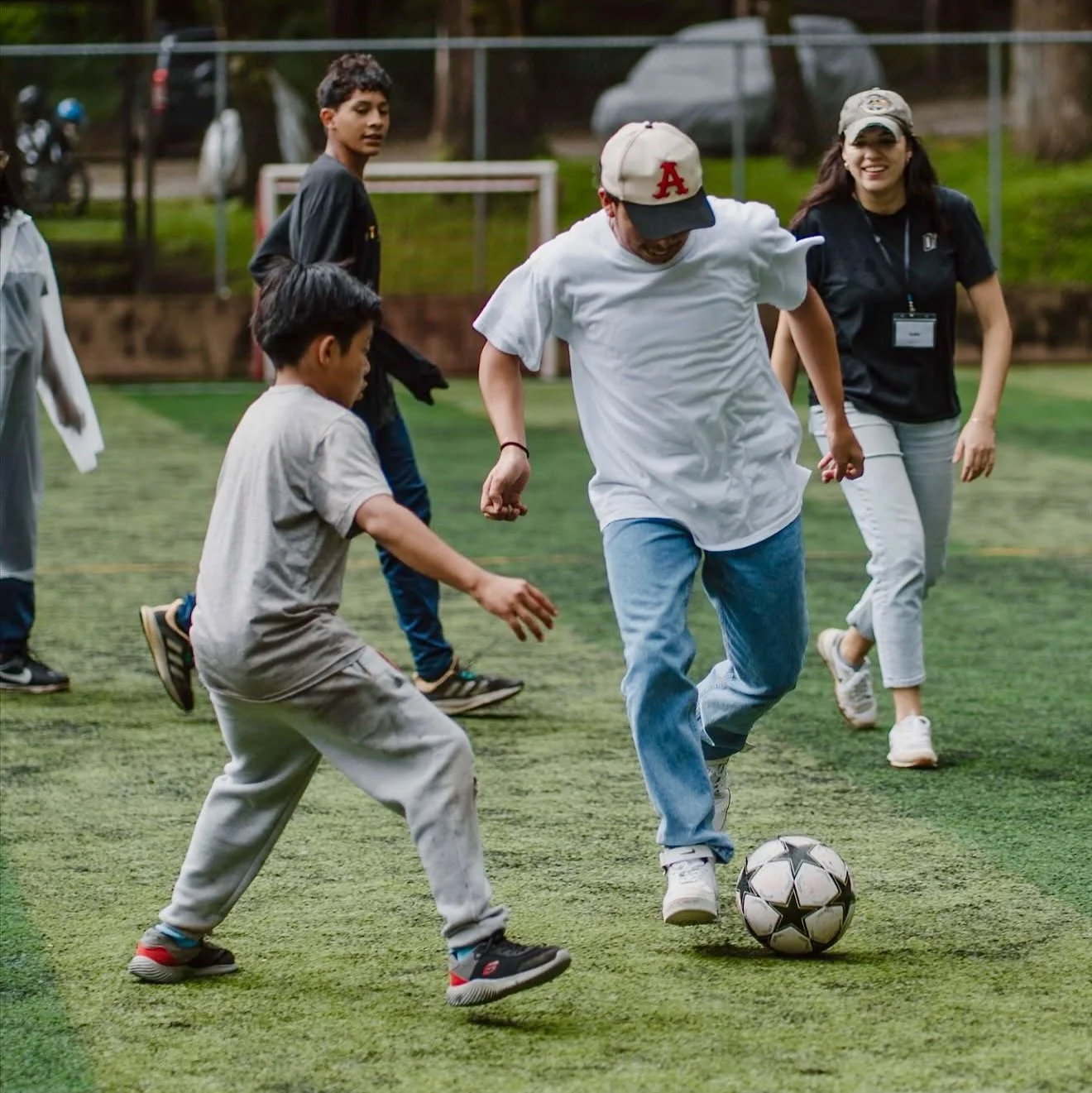
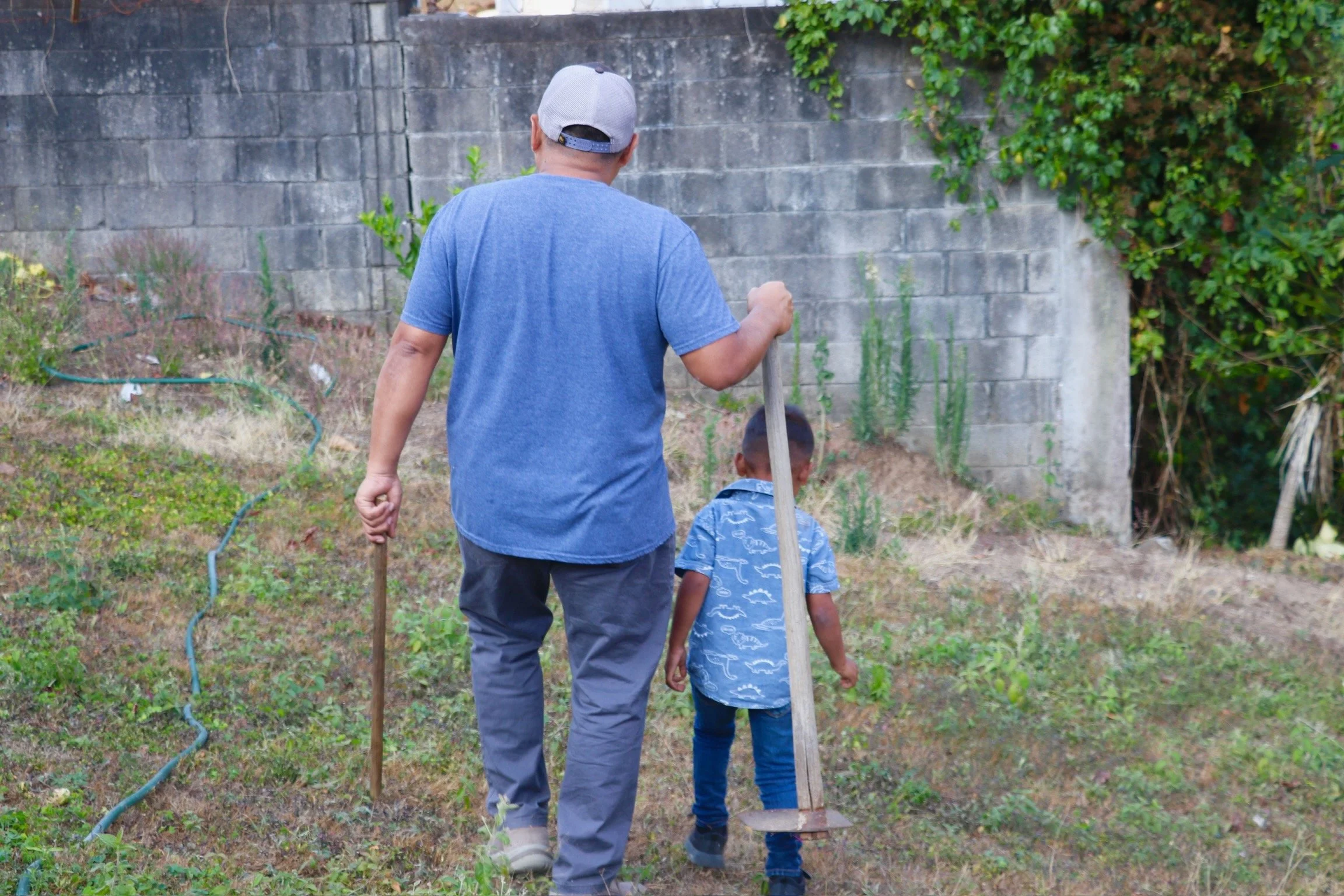
His house dad didn't force a relationship. Instead, he patiently built one, playing soccer with him, giving him a nickname, and taking an interest in the things he loved. Little by little, the boy began to trust him. Within a year, he was calling him “Papi” and allowing him to care for him just as he did the other children.
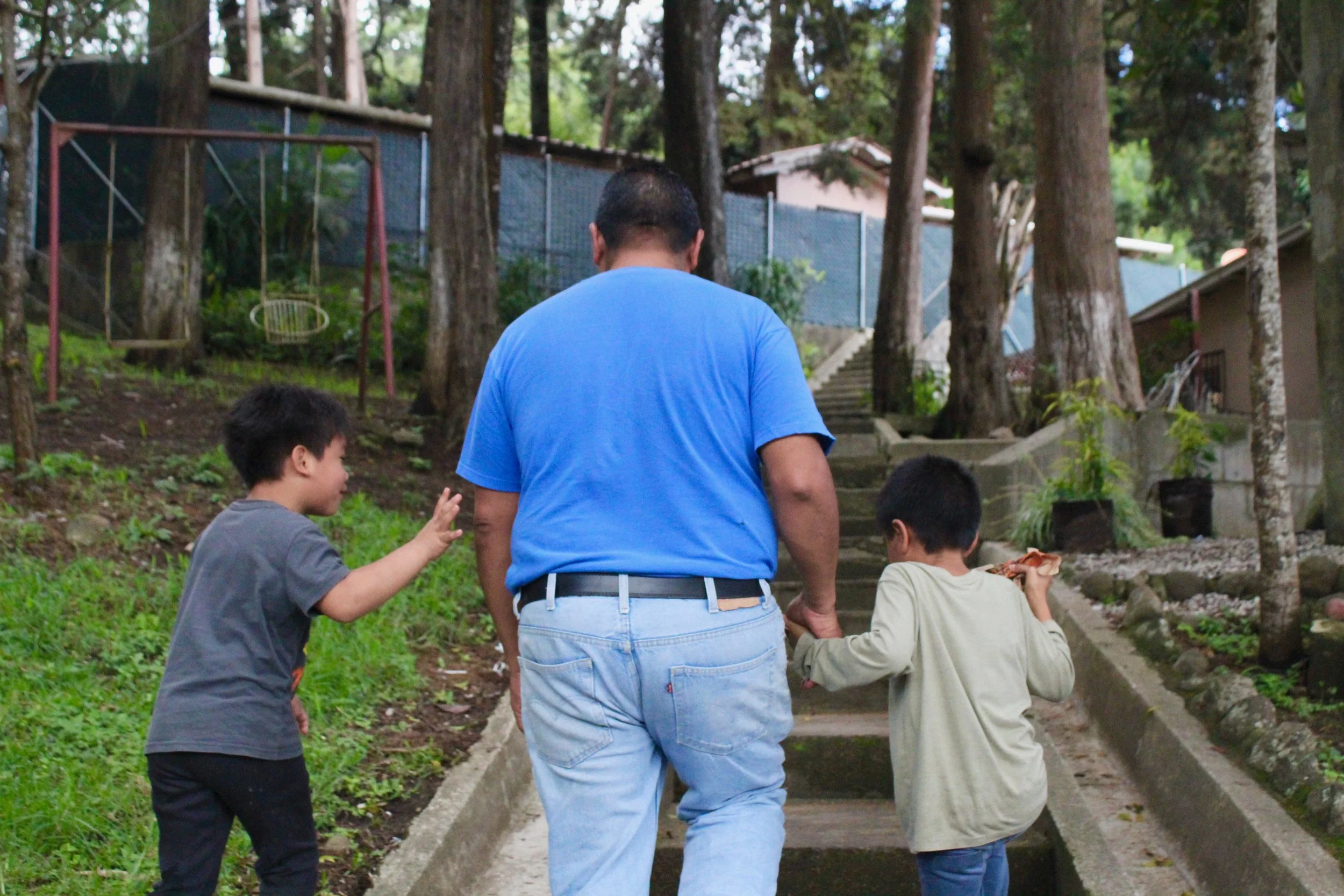
There were no other safe family options for this boy, so he grew up at Casa Bernabé. Through the steady love of his house parents, he learned what it meant to belong to a family and what it meant to be a loving father. Today, he has children of his own who adore him and trust him completely. The little boy who once struggled to trust a man has grown into a father who can give his children the security he learned to experience himself.
His story is a reminder that healing doesn't always happen through one big moment. Sometimes it happens through a thousand small acts of love, offered patiently until a child begins to believe he is safe. And for a child with no options, Casa Bernabé can be their family.
Stories like his help explain why Casa Bernabé's approach matters. Our house parents receive ongoing training in trauma-informed care. Our school provides additional academic, emotional, and behavioral support for students who need it. Our psychologists work with children and the adults caring for them, and our social work team continues to support biological families whenever possible.
No one person has to meet every need alone. The house parents can focus on being consistent, loving caregivers because they have a wider team to help them care for each child.
Living at Casa Bernabé is not meant to replace the importance of a child's biological family. When reunification is safe and appropriate, we want to help make it possible.
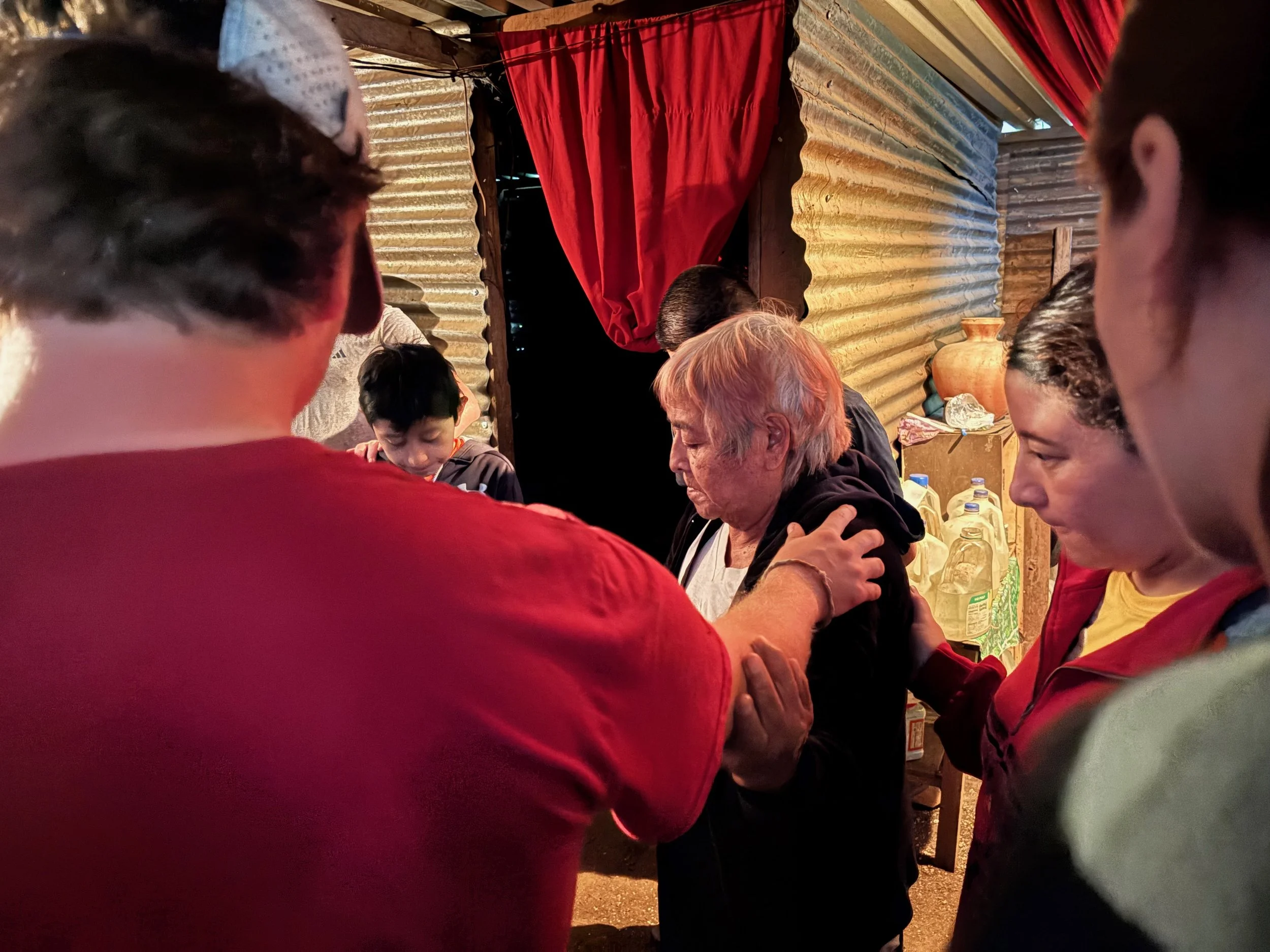
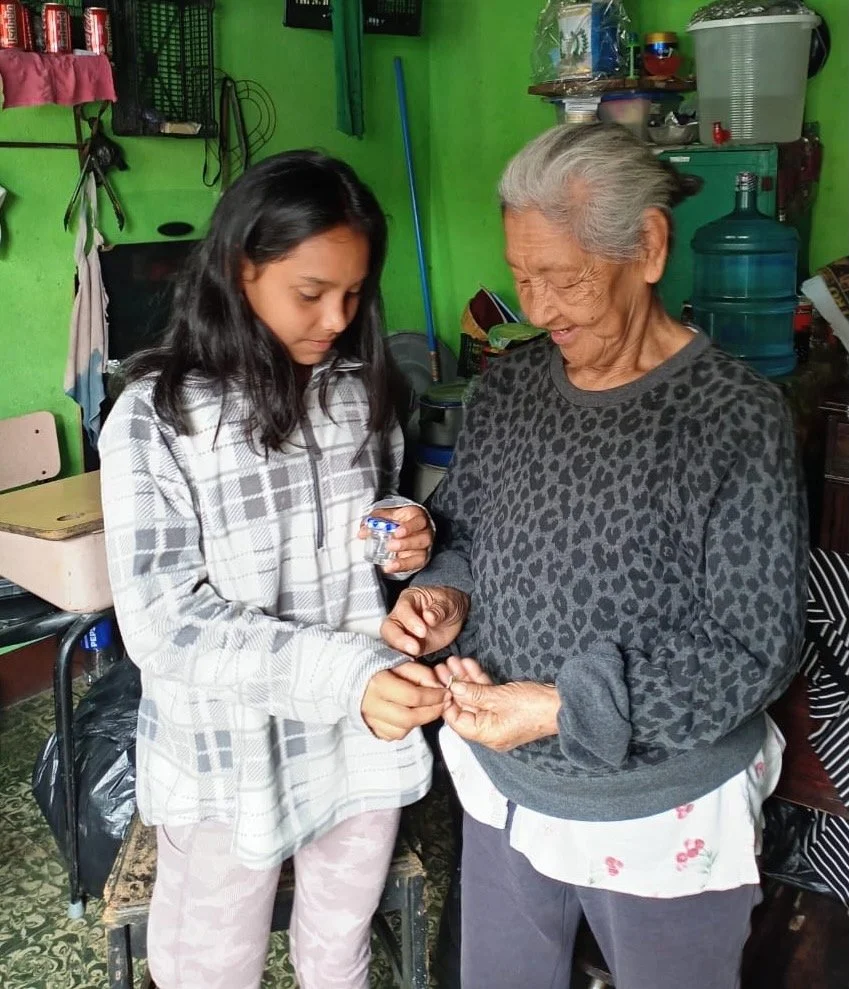
Our Families United team works with biological families to address the circumstances that led to a child's placement in care. That work can be difficult, but we recognize that a child's family remains an important part of their story. Even when a child cannot safely return home, maintaining healthier family relationships may still be possible.
We also believe in foster care, adoption, and the role local churches and communities can play in supporting vulnerable children. No single approach is right for every child, and residential care should never be the automatic answer.
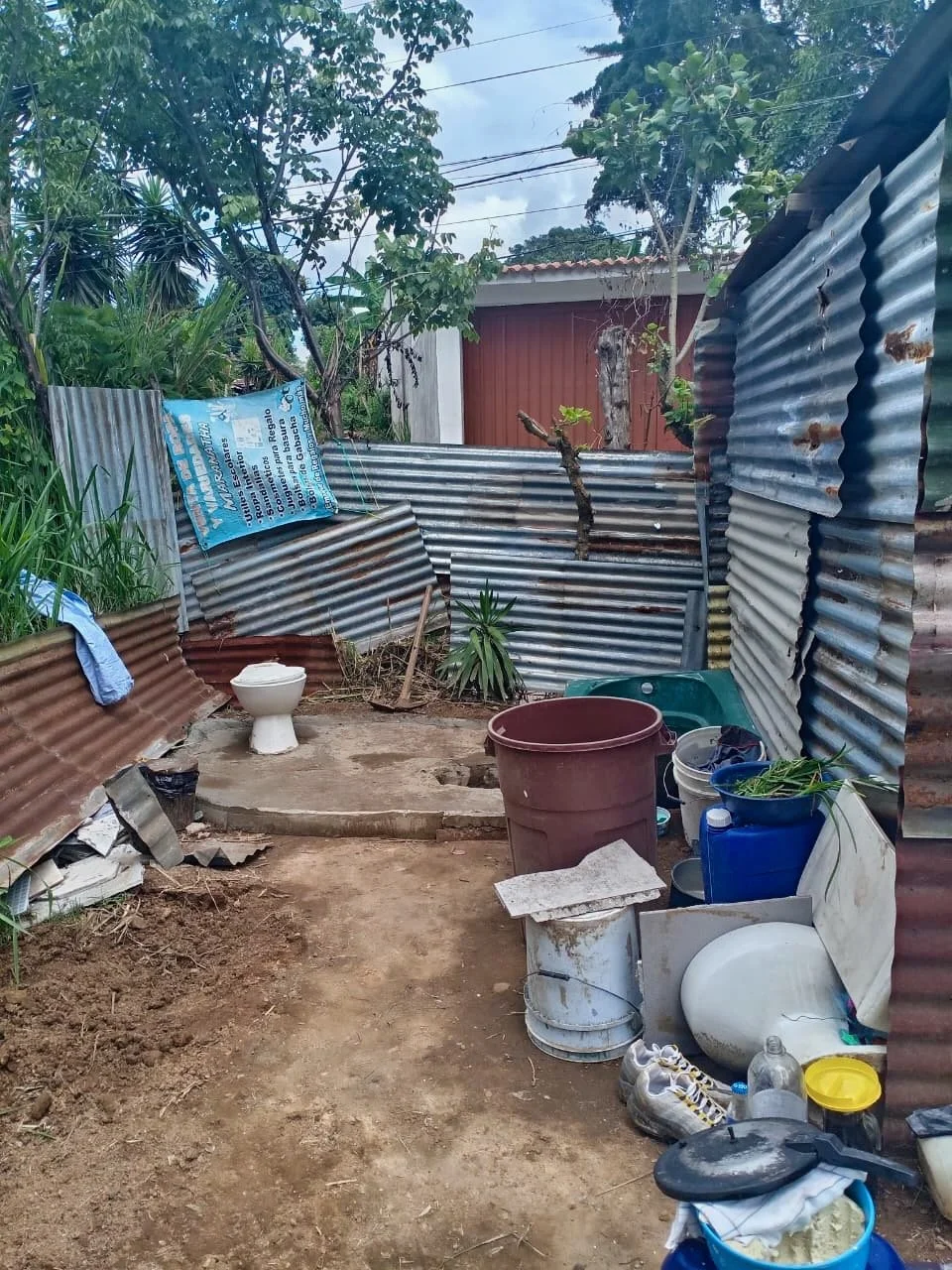
But safe family placements aren't always available when a child needs protection. In Guatemala, the number of children needing alternative care far exceeds the capacity of the country's accredited foster families. Until more safe options are available, children who cannot remain at home still need somewhere to go.
Estimates say 3,800–4,000 children are institutionalized in about 140 homes across Guatemala, and for every child who is institutionalized, there are five more who should be if there were space for them in a children's home.
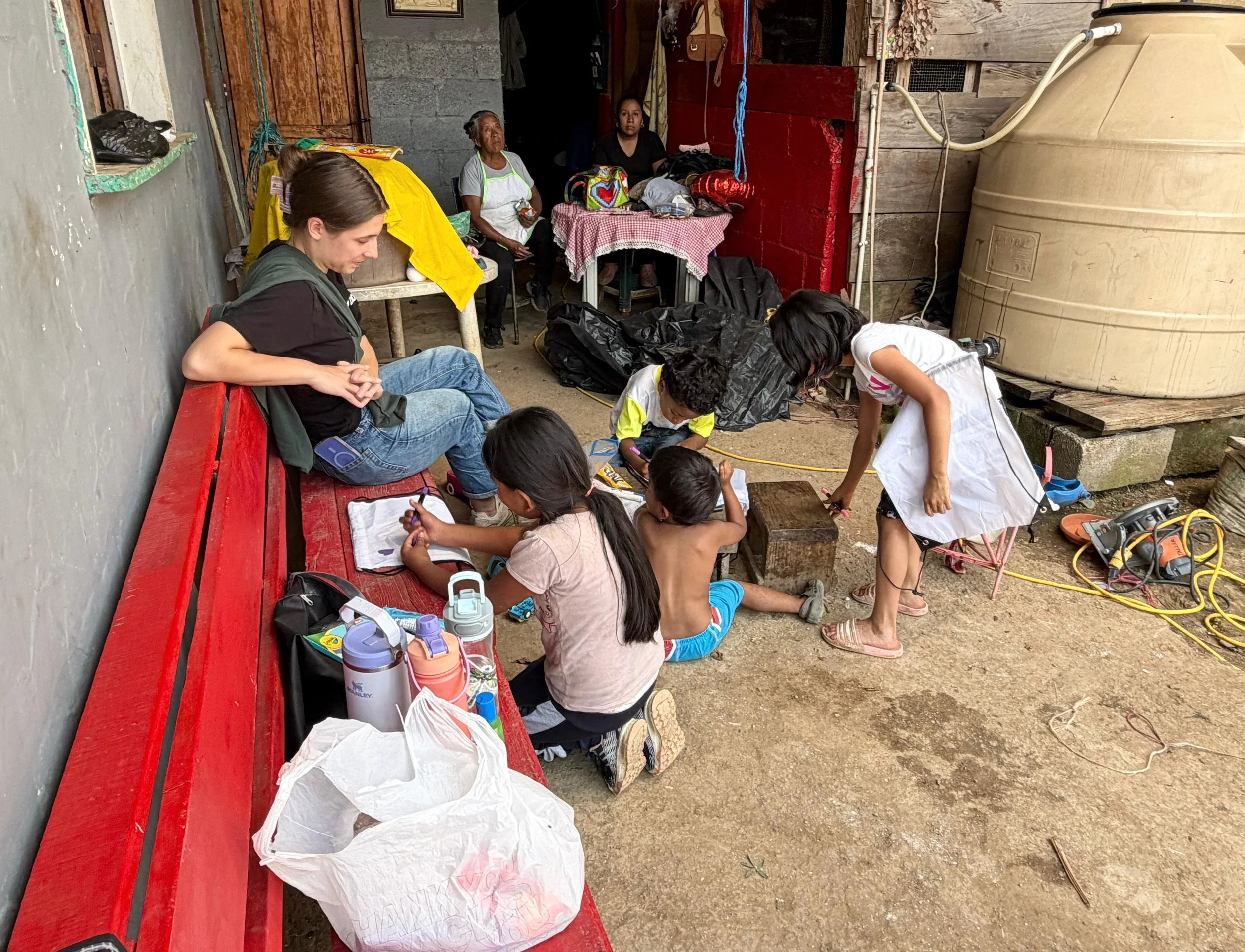
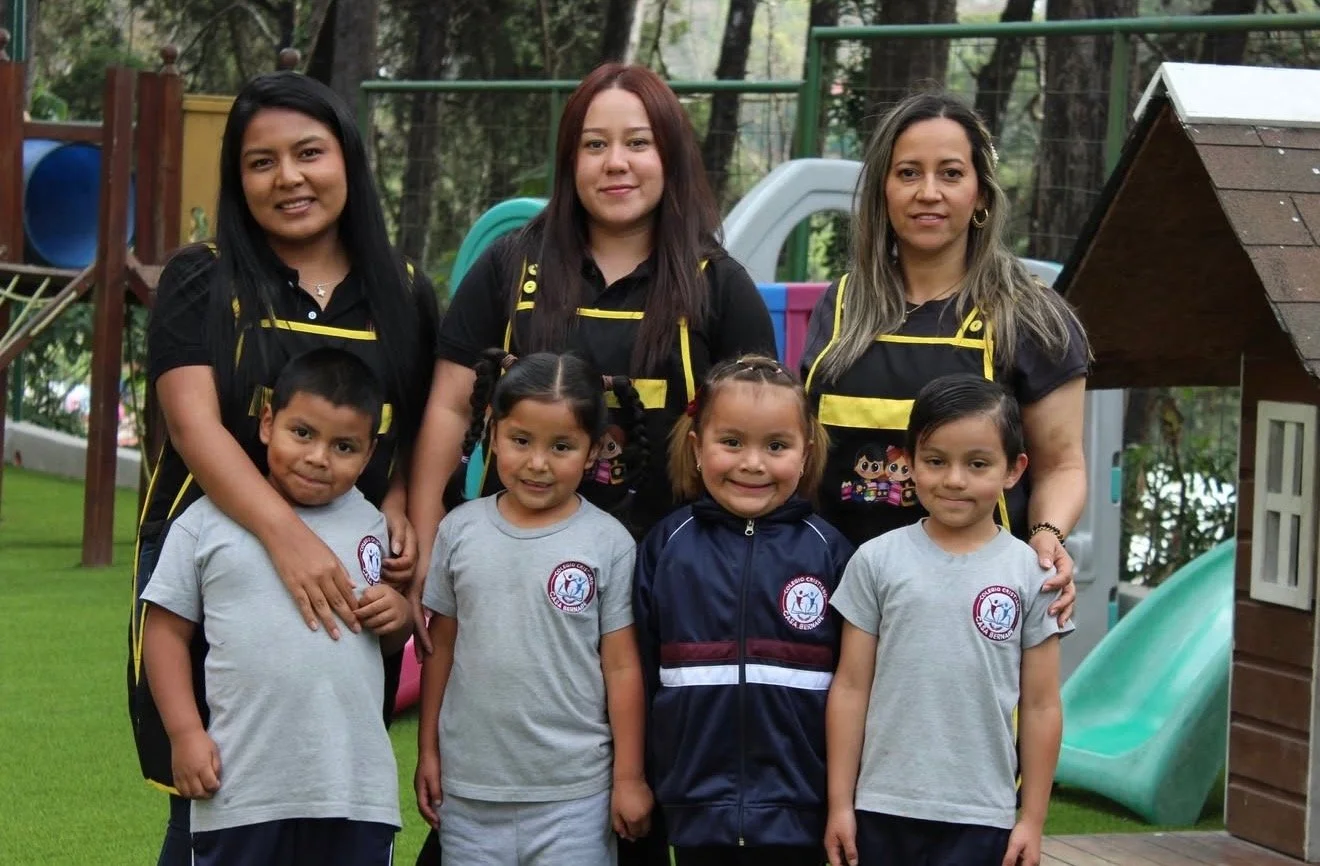
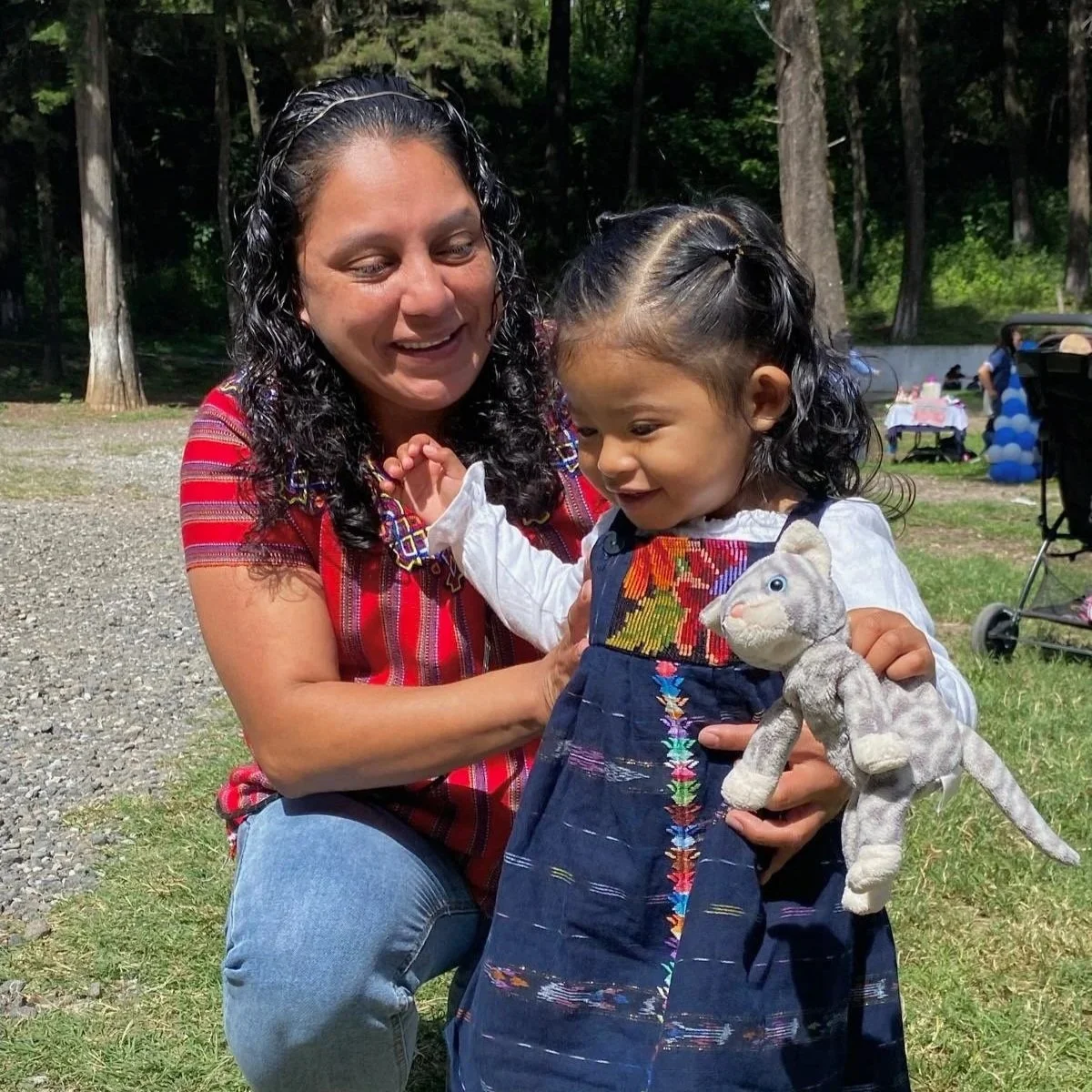
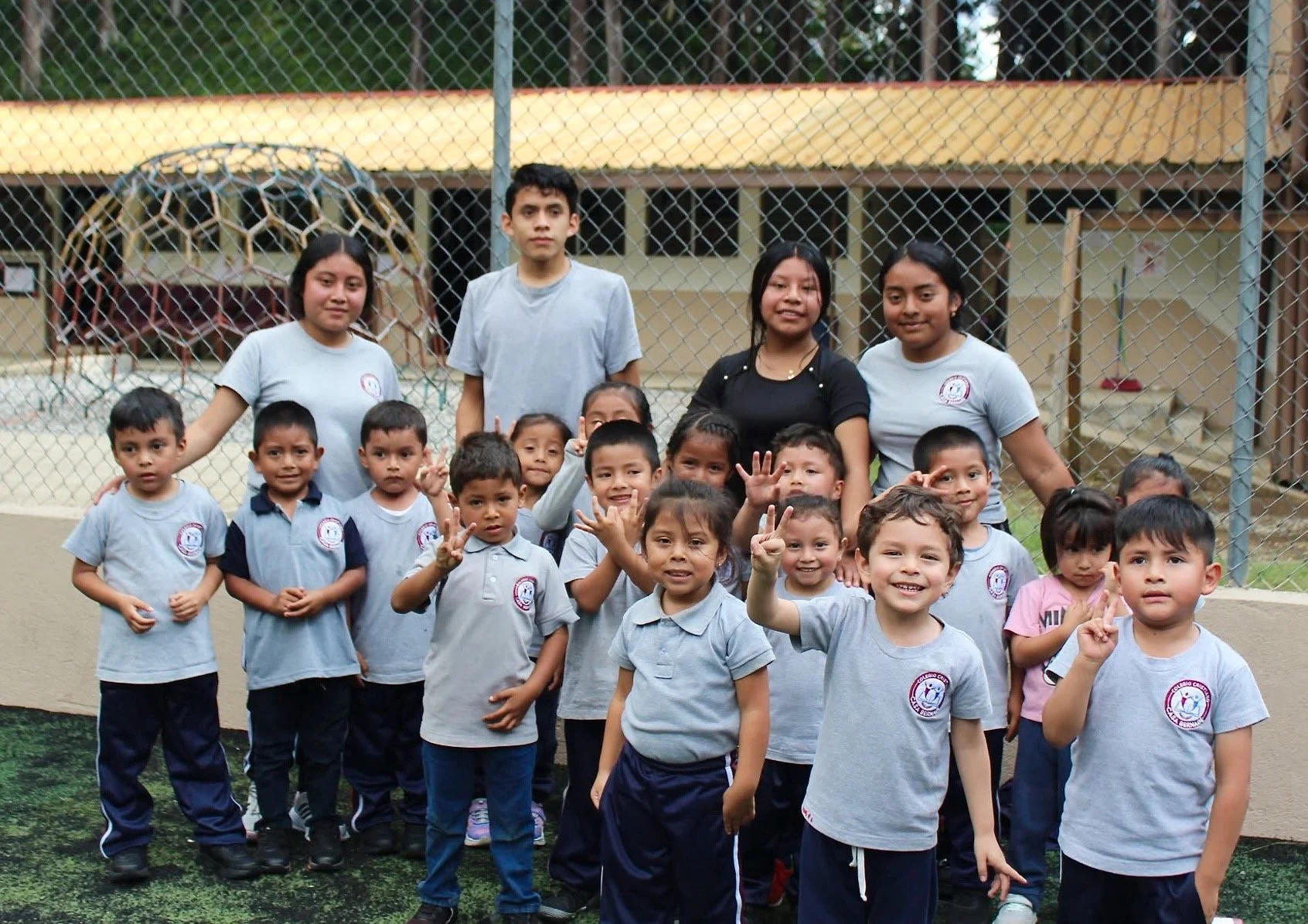
For the kids we receive at Casa Bernabé, we want to provide the best care we can: a family-style home with consistent caregivers, surrounded by people and resources that support their physical, emotional, educational, and spiritual needs.
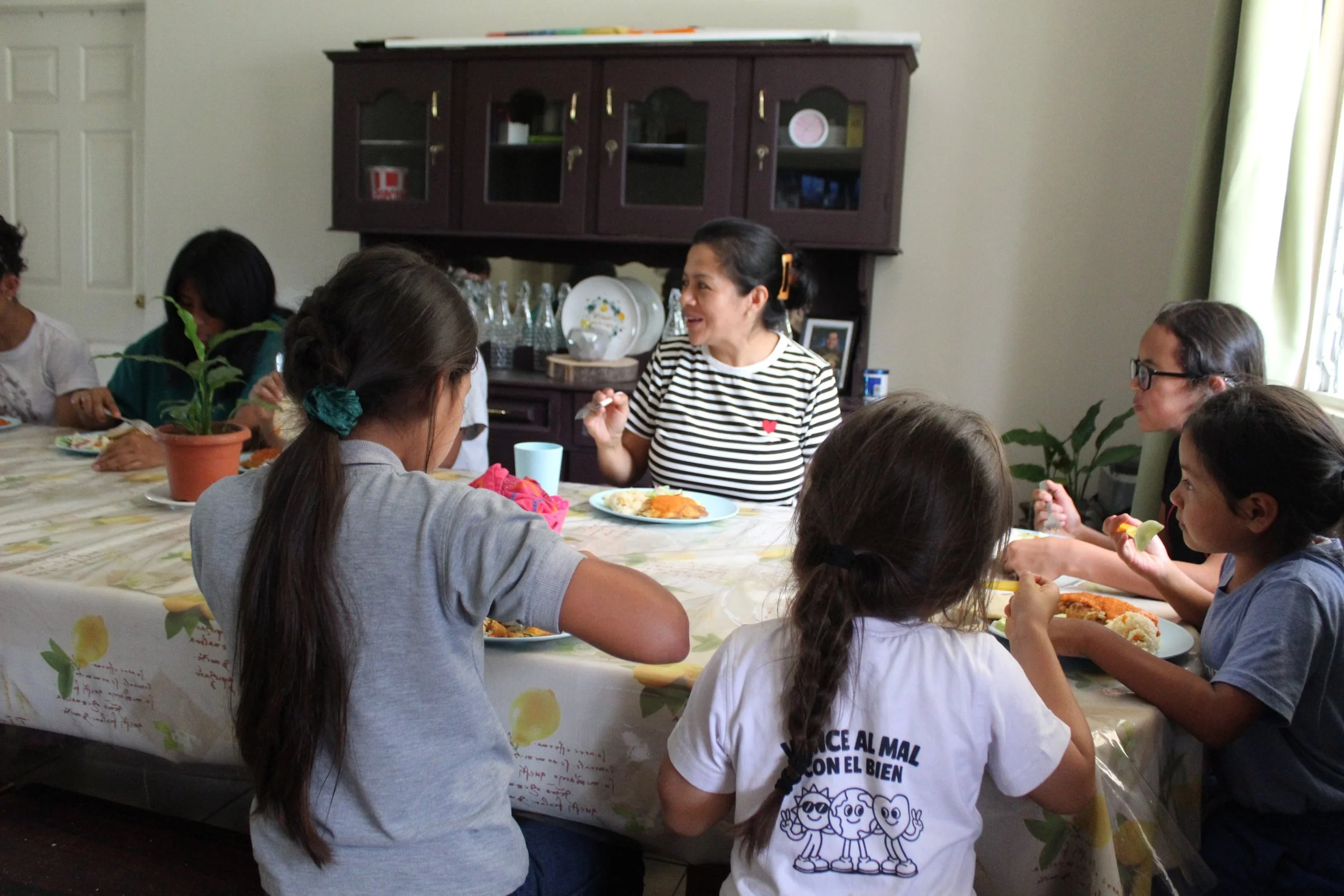
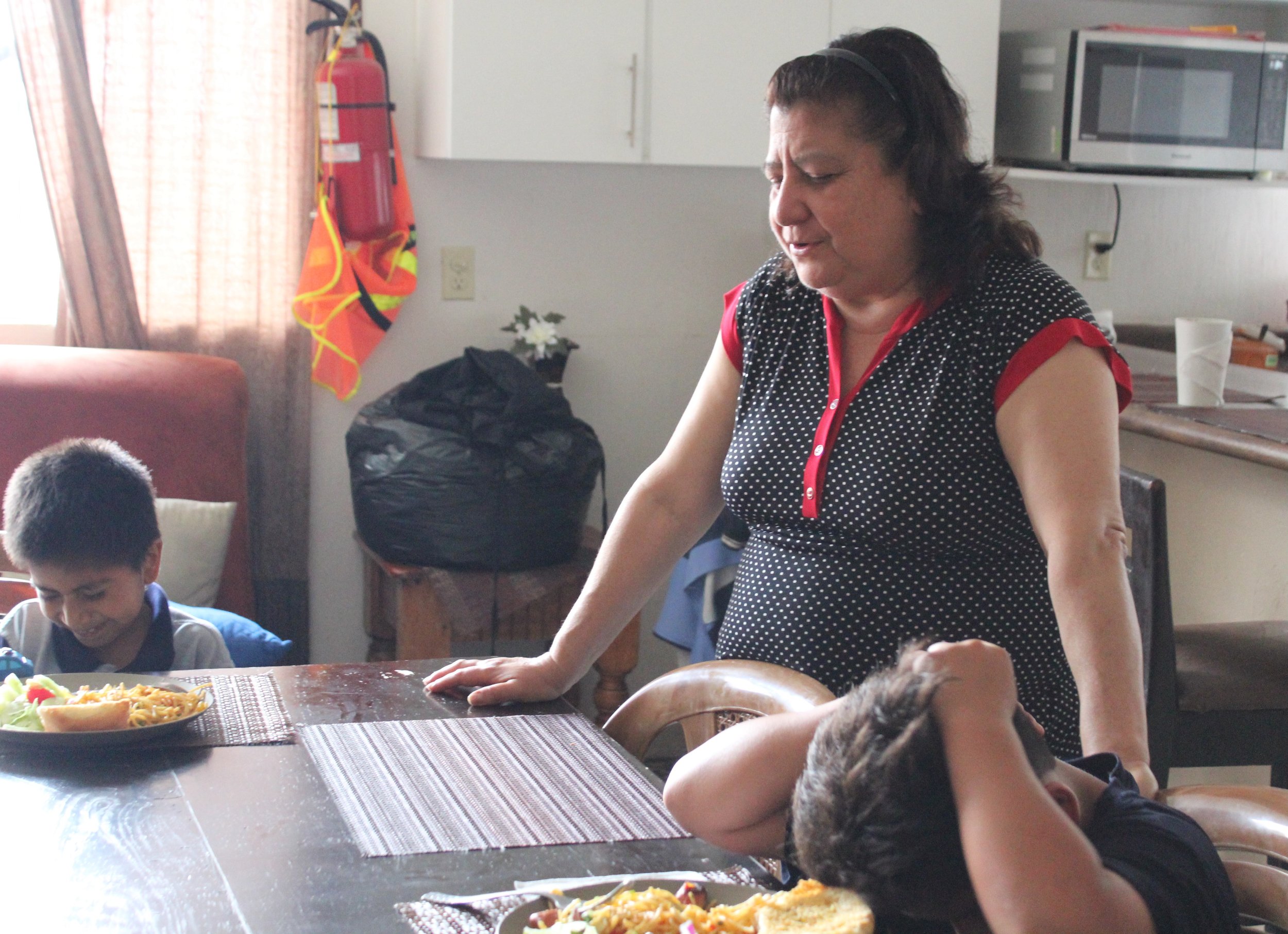
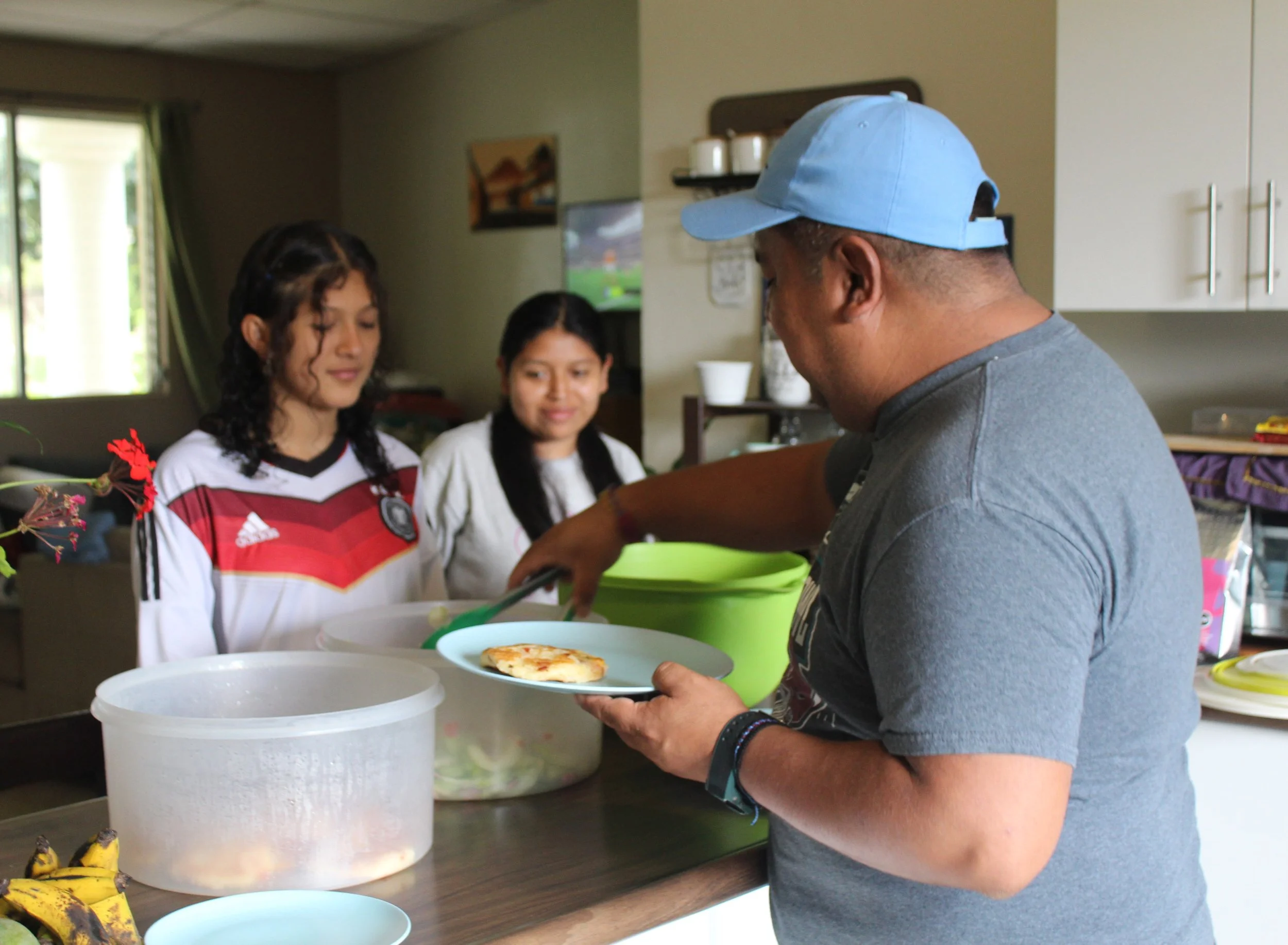
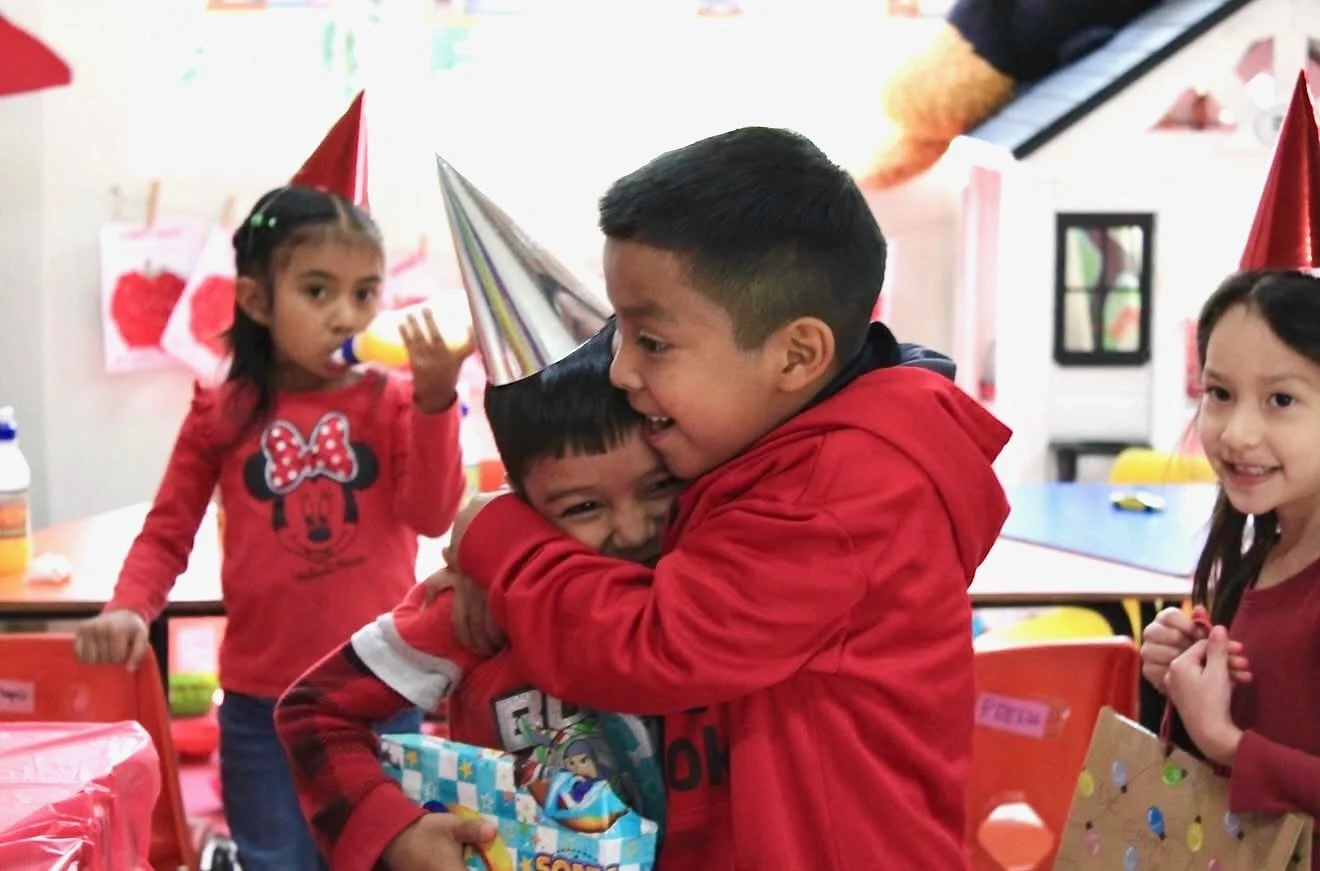
Often, it looks remarkably ordinary. It looks like someone making sure you get up for school, helping you with homework, teaching you to cook, or reminding you to finish your chores. It looks like celebrating your birthday, praying together, learning to apologize, and having someone notice when you're having a hard day.
We know that residential care is not the right answer for every child. We also know that the children who come to us deserve safety, stability, and the opportunity to heal while a safe long-term family solution is pursued if it's an option for them.
The question isn't whether every child should grow up in a children's home. The question is how we care for the children who need one today and how we help each child move toward a safe, healthy future.
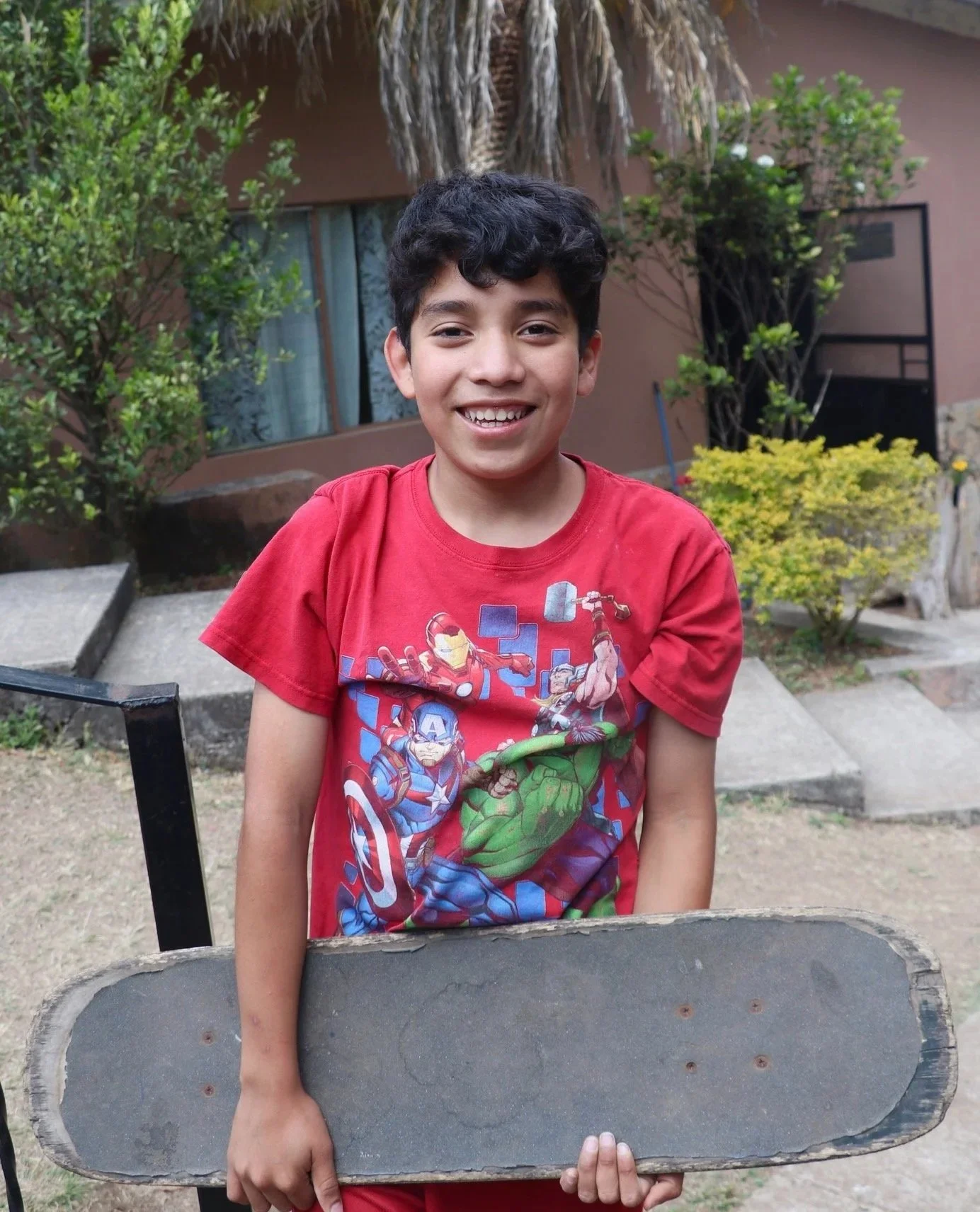
That is the responsibility we take seriously at Casa Bernabé. We will keep working to strengthen families, support reunification when possible, and prepare our children for the next chapter of their lives. And for the children who need a place like ours right now, we will keep showing up.
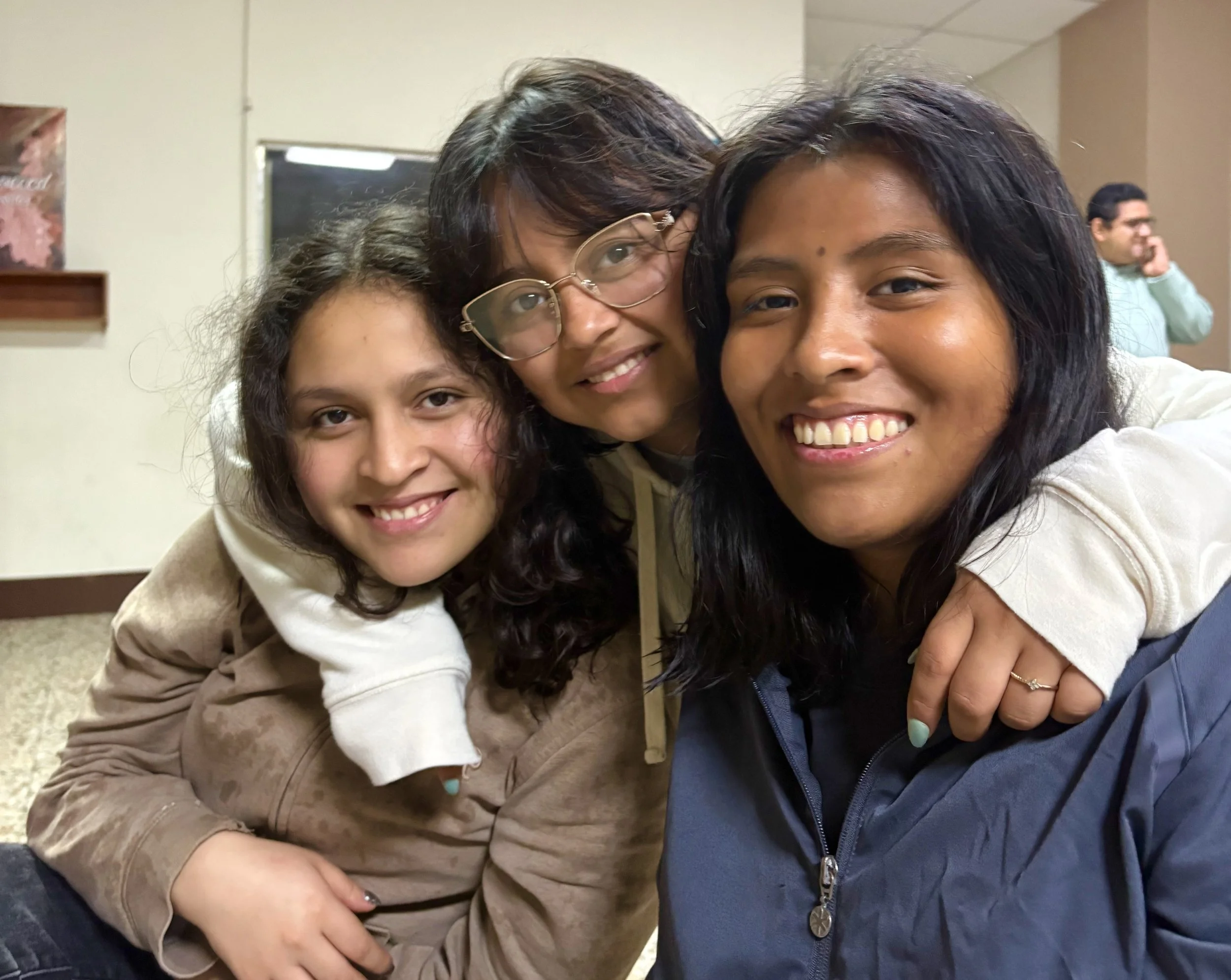
Please pray with us for the children who come to Casa Bernabé carrying painful experiences, that they would find safety, healing, and people they can trust. Pray for our house parents, teachers, psychologists, and social workers as they care for children with complex needs. And pray that more safe, loving family options will become available in Guatemala, so every child can grow up surrounded by the love of a family.