
Why Do We Care for Orphans & Children in Crisis?
This week we have a special guest post from the Vice-Chair of our Friends of Children Everywhere Board of Directors, Connor McGettigan. Connor previously served as an English teacher and house helper at Casa Bernabé for three years, and now he's teaching in the US and serving with his church and FOCE alongside his new wife, Betzabé, who he met at CB.
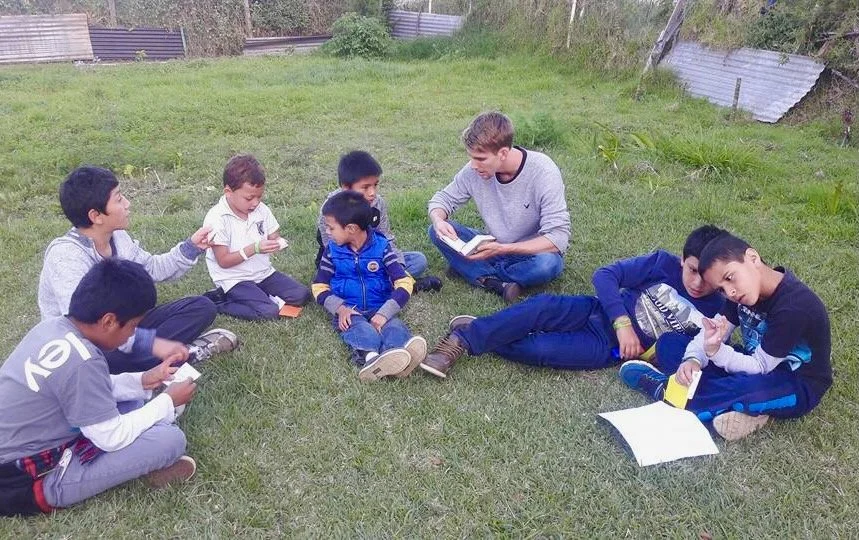
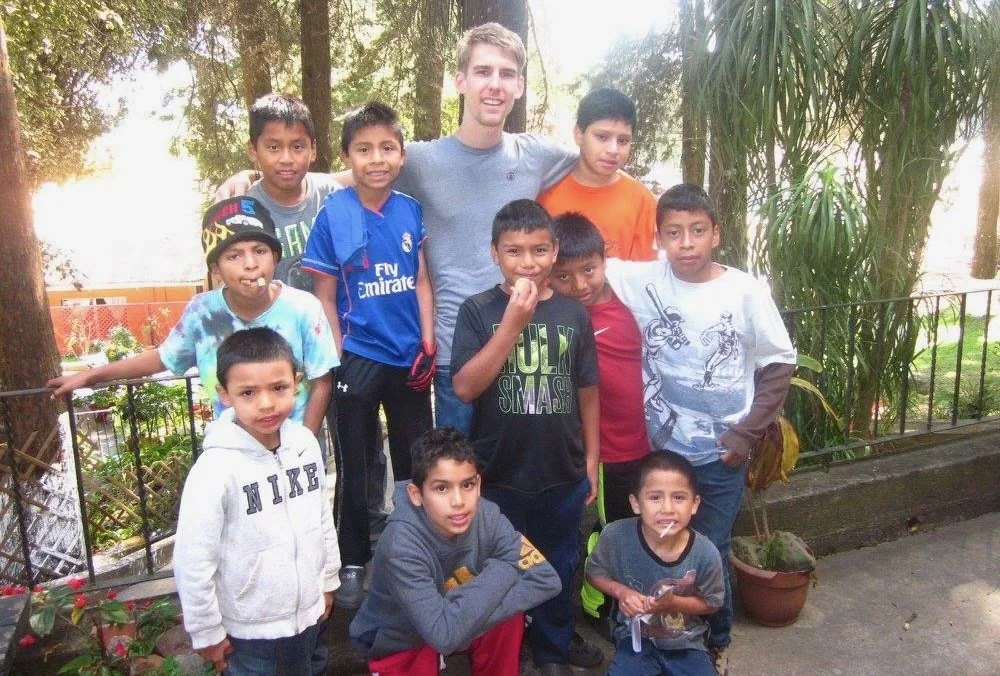

Sometimes it's easy to get caught up in the act of doing ministry, and we can forget why we do what we do. We asked Connor to share a devotional with some thoughts on the importance of caring for children in crisis, God's heart for the fatherless, and why Casa Bernabé's ministry matters.

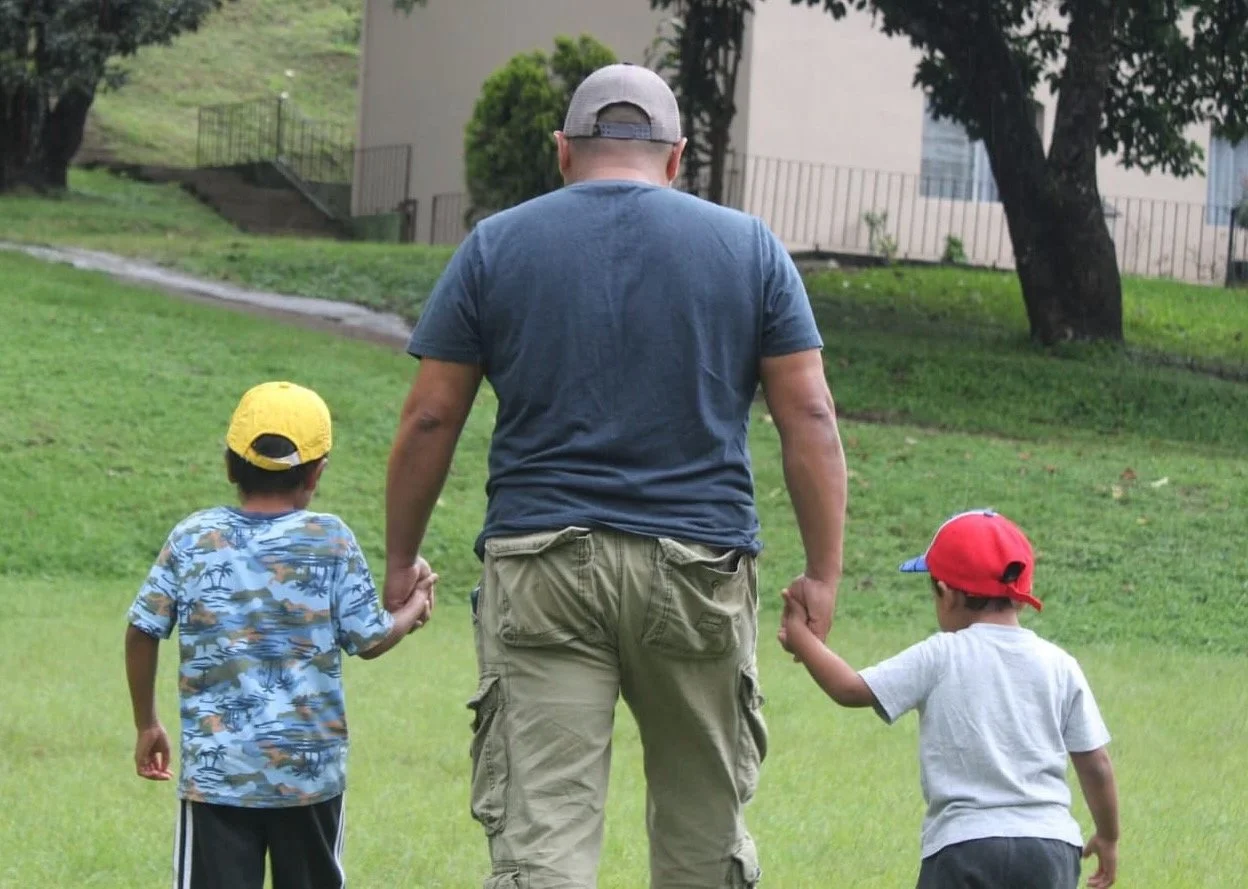

Why do Christians care for orphans and children in crisis? What compels us to enter the world of vulnerable children, and seek to defend and restore such young and shattered lives? Why does Casa Bernabé exist? Some might say, “It’s the right thing to do…compassion is part of being human. It just feels right.” Now, while partly true, for the Christian these reasons are lacking. The Christian life is lived on purpose. All that we do as Christians is grounded in and motivated by what God has done and said. Remember, “We love because he first loved us” (1 Jn. 4:19).
Thus, there are at least three truths that ground Christian orphan care: who God is, what God says, and what God does.


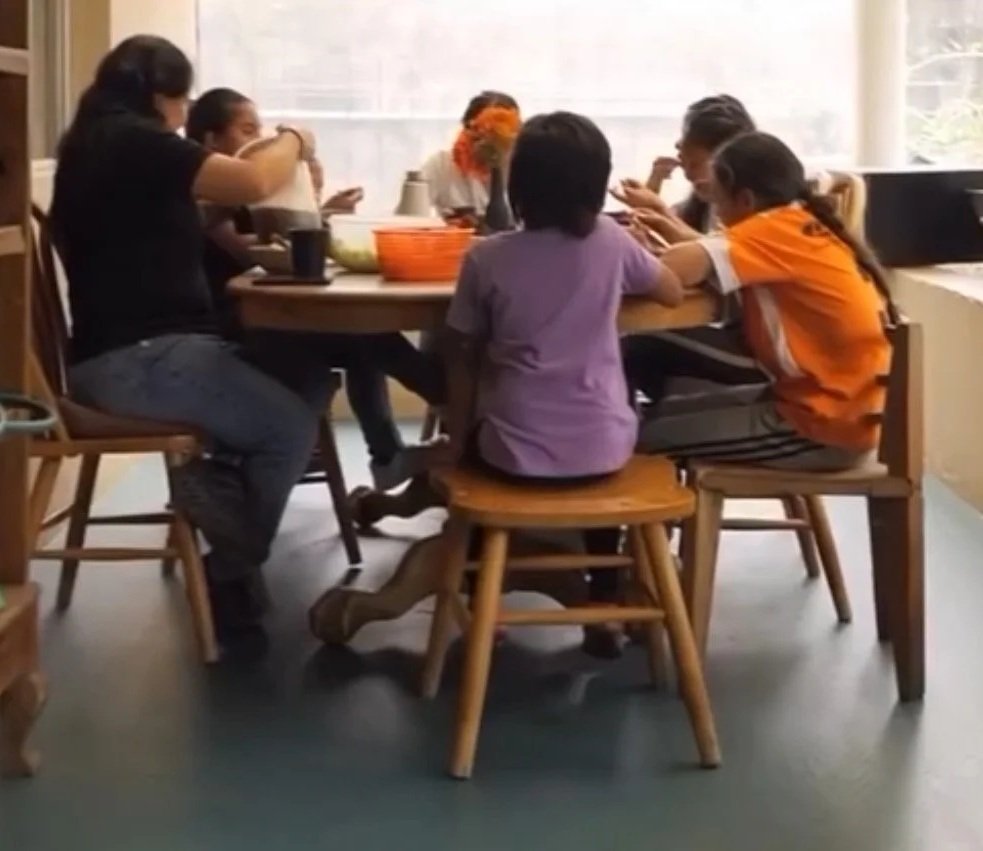
1. WHO GOD IS
When you think of who God is, words like “holy” or “righteous” may come to mind. Those are, of course, true and awe-inspiring. Yet, another glimpse of God revealing who he is that is particularly striking is found in Psalm 68:5-6. Here, David was writing an exhortation to praise the Lord. A reason given for such praise is that he is “Father of the fatherless and protector of widows.” In other words, praise God because he fathers and cares for the orphan!
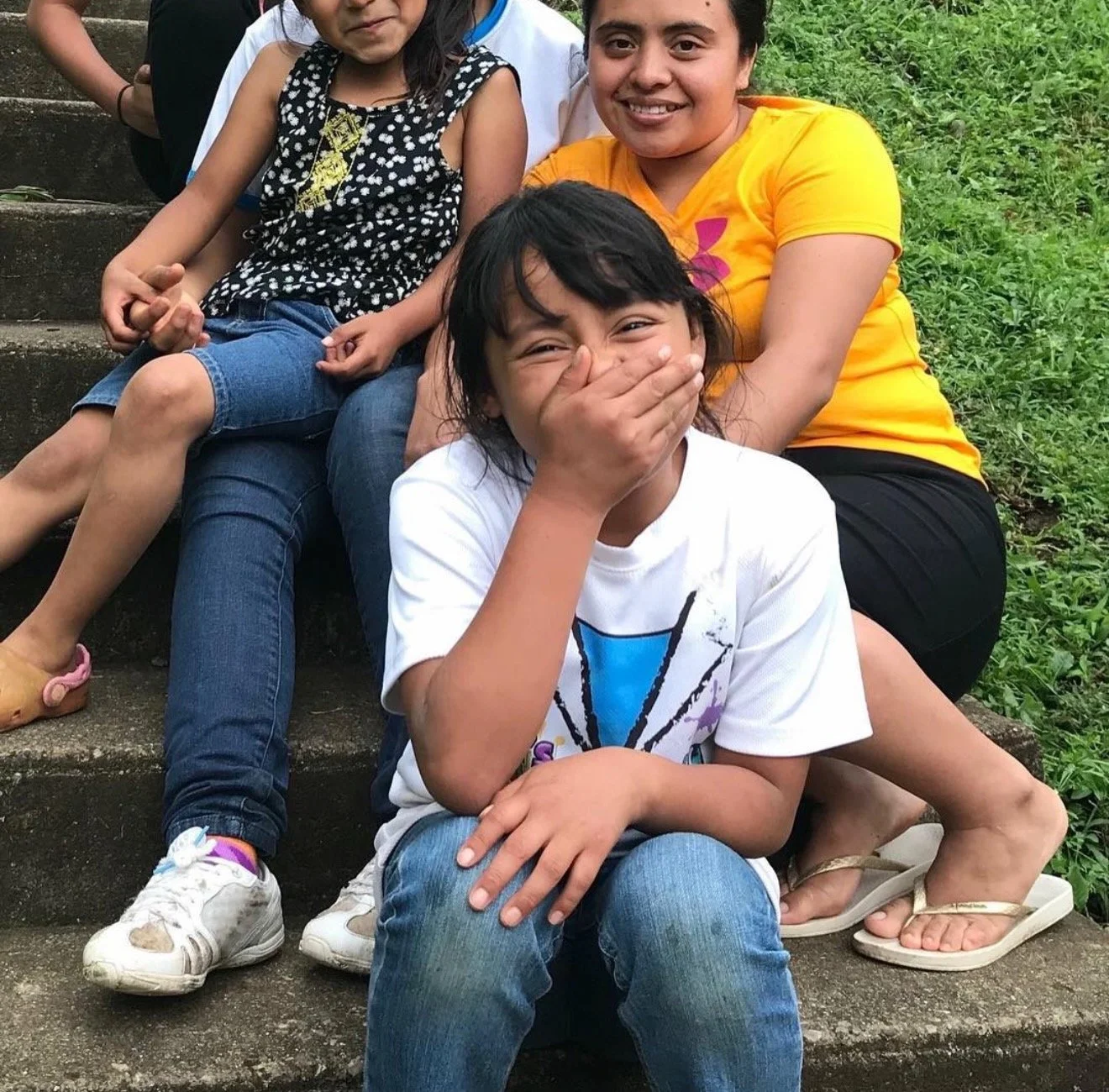
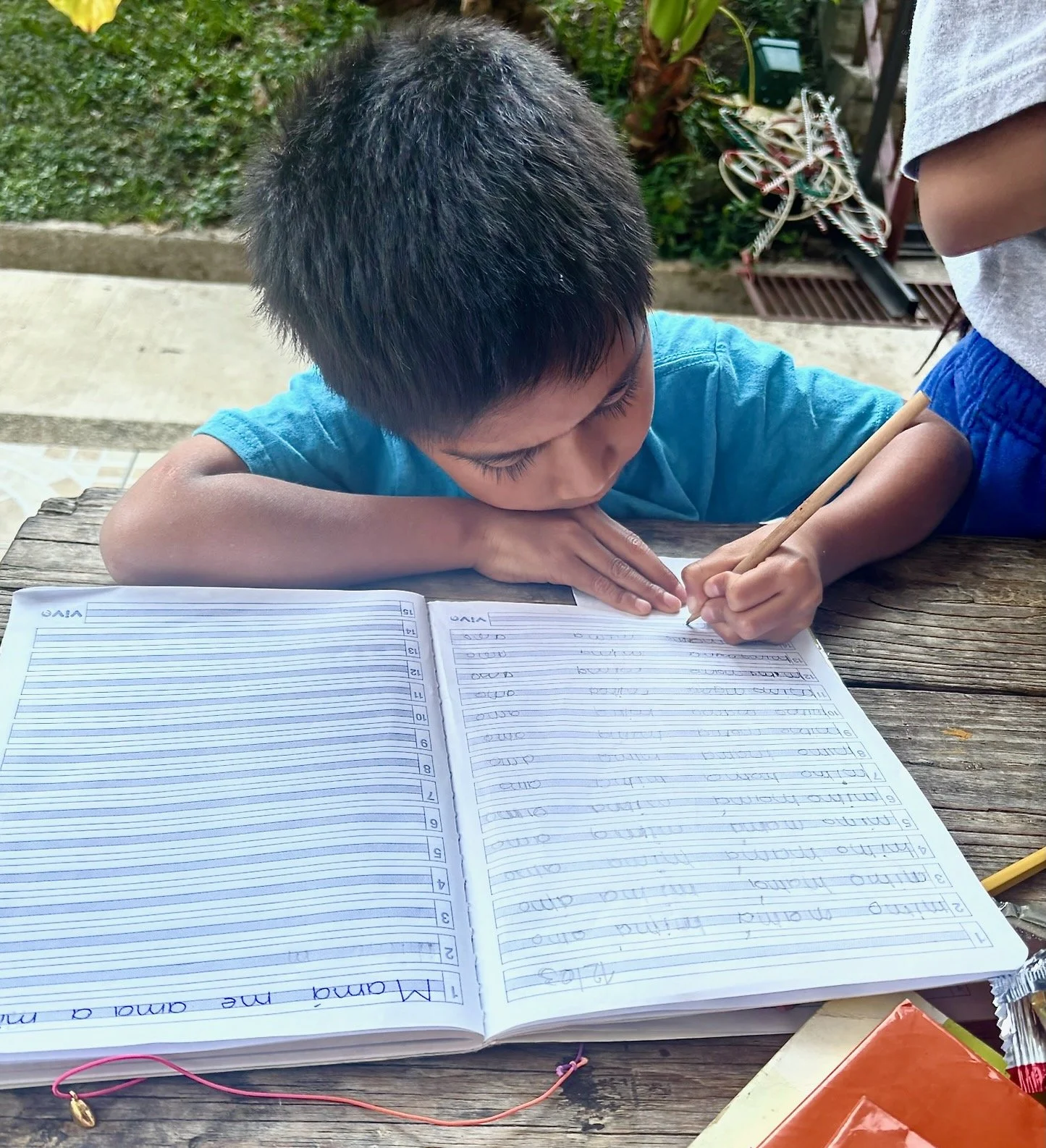
So, how does “who God is” relate to what we do and why Casa Bernabé exists? Answer: Casa Bernabé is proof that God is who he claims to be! Casa Bernabé is a living, breathing, shining forth of the reality of God and his identity as Father to the fatherless.


George Mueller (1805—1898), a German preacher and evangelist, is best remembered for his pioneering work in orphan ministry in England. A primary reason Mueller founded orphanages was that he wanted to demonstrate the reality in the things of God through the care the children received. Mueller stated:
“…the primary object of the work was that God might be magnified by the fact that the orphans are provided with all they need…whereby it may be seen that God is faithful and hears prayer still.”
Casa Bernabé follows in this lineage of testifying to the reality of God as Father of the fatherless through countless stories of God sustaining in times of desperation, working miracles through impossible situations, and providing for all needs for over four decades of ministry.


2. WHAT GOD SAYS
Scripture speaks of caring for orphans more than sixty times. Since all Scripture is God-breathed, this repeated emphasis reveals God’s own heart for the orphan.
In the Old Testament, God abundantly expressed His care for orphans through the law and the prophets.
In the law, one way we can see God’s love for the fatherless is through his wrath against any who mistreat the fatherless child. For example, Exodus 22:22-24 states:
“You shall not mistreat any widow or fatherless child. If you do mistreat them, I will surely hear their cry, my wrath will burn, and I will kill you…”
God’s wrath is an extension of his love. Due to his love for the fatherless, when they are mistreated, God hears their cry, his wrath burns, and he brings justice.
This same protection and care are seen in Deuteronomy, as we can read in chapter 14 that God’s curse is against those who harm the fatherless.



Still elsewhere in the Law, God commanded the Israelites to leave the edges of their fields and the gleanings of their harvest for the fatherless (Deut. 24:17–22), rather than gathering every bit for themselves. And lest we think this was only in the Old Testament, the apostle John affirmed this same principle by exhorting Christians to not hoard our own material goods in excess when we see others in need (1 Jn. 3:16-18).
God also spoke on the justice, protection, and provision he required for the fatherless through the prophets as seen in Isaiah 1:17, Jeremiah 7:5-7, and Zechariah 7:10.
These Old Testament civil laws on biblical social justice are filled with principles that ought to guide Christians still today.
In the New Testament, the apostle James also wrote that an aspect of the very essence of pure religion is orphan care.
Reflecting on this passage in James, Charles Spurgeon once stated, “the work of caring for the fatherless is specially mentioned by the Holy Spirit as one of the most acceptable modes of giving outward expression to pure religion before God, and therefore the Lord’s people will not question that they should help in carrying it out.”
God has spoken. We must respond.



3. WHAT GOD DOES
Remember Psalm 68:5-6: not only is God the Father of the fatherless, but he also “settles the solitary in a home” and drawing again from the Law, God, “executes justice for the fatherless, giving him food and clothing” (Deut. 10:18). God is in action on behalf of the orphan.
While there are thousands of unseen, unknown ways that God works daily, God does also move visibly on behalf of the fatherless through the moving of his people.
It is through our hands the Father’s love touches.
It is through our voices his words can be heard.
It is through our efforts that his care is revealed.
As Christ’s ambassadors, we embody him on earth for the carrying out of his work. We are God’s workmanship, created in Christ Jesus for good works (Eph. 2:10). Though God needs none of us, he invites us to join him in fathering the fatherless and caring for children in crisis.



CONCLUSION
The Christian calling to care for orphans and children in crisis is not mere sentimentalism. It is anchored in the character of God, the clear commands of Scripture, and the saving works he carries out. Who God is, what he says, and what he does, compel us, as children adopted into God’s family, to reflect his love toward the vulnerable.
And what a joy it is to be used as instruments in the Father’s hand as he cares for the fatherless through us!
**If you would like to read more on the subject of God's heart for the fatherless, here are some additional resources:
Fields of The Fatherless: Discover the Joy of Compassionate Living by Tom Davis
George Muller: Delighted in God by Roger Steer
Spurgeon and The Poor - How the Gospel Compels Christian Social Concern by Alex DiPrima